Skip to content
Cheaper Utility Bill

Cheaper Utility Bill

  • Home
  • Contact Us
  • Monthly Newsletter
  • Privacy Policy
  • Terms of Use
  • Home
  • 2026

Year: 2026

25 Easy Ways to Lower Your Electric Bill This Month

Posted on July 17, 2026July 17, 2026 By cheape67 No Comments on 25 Easy Ways to Lower Your Electric Bill This Month
Blog

If your electric bill has been climbing lately, you’re not alone. Rising energy costs, hotter summers, colder winters, and increased use of electronics can all add up to higher monthly utility expenses. The good news is that lowering your electric bill doesn’t always require expensive upgrades or major lifestyle changes. In many cases, small adjustments to your daily routine can make a noticeable difference.

Whether you’re a homeowner or renter, these 25 practical tips can help you reduce energy usage and keep more money in your pocket this month.

1. Adjust Your Thermostat

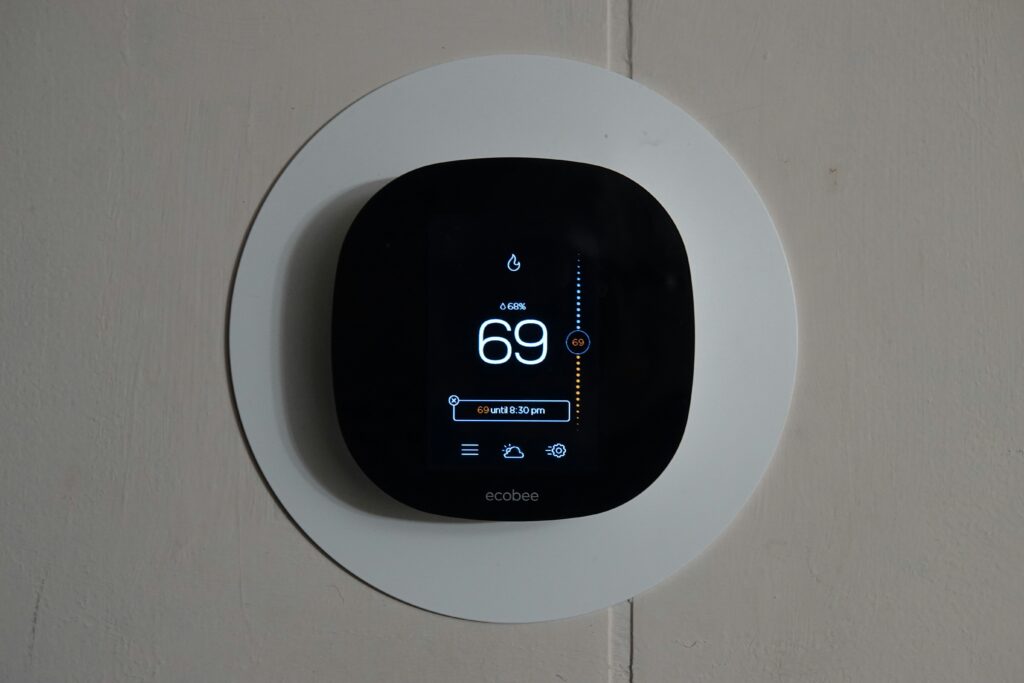
Heating and cooling typically account for the largest portion of your electricity bill. During warmer months, set your thermostat a few degrees higher when you’re home and even higher when you’re away. In cooler months, lower it a few degrees and wear an extra layer indoors.

2. Use Ceiling Fans Correctly

Ceiling fans don’t cool the air—they cool people. Turn fans off when you leave the room. In the summer, fans should rotate counterclockwise to create a cooling breeze. During winter, switch them to clockwise at a low speed to circulate warm air.

3. Replace Air Filters

A dirty HVAC filter forces your heating and cooling system to work harder, using more electricity. Replace or clean your filter every one to three months depending on usage and the manufacturer’s recommendations.

4. Unplug Devices You’re Not Using

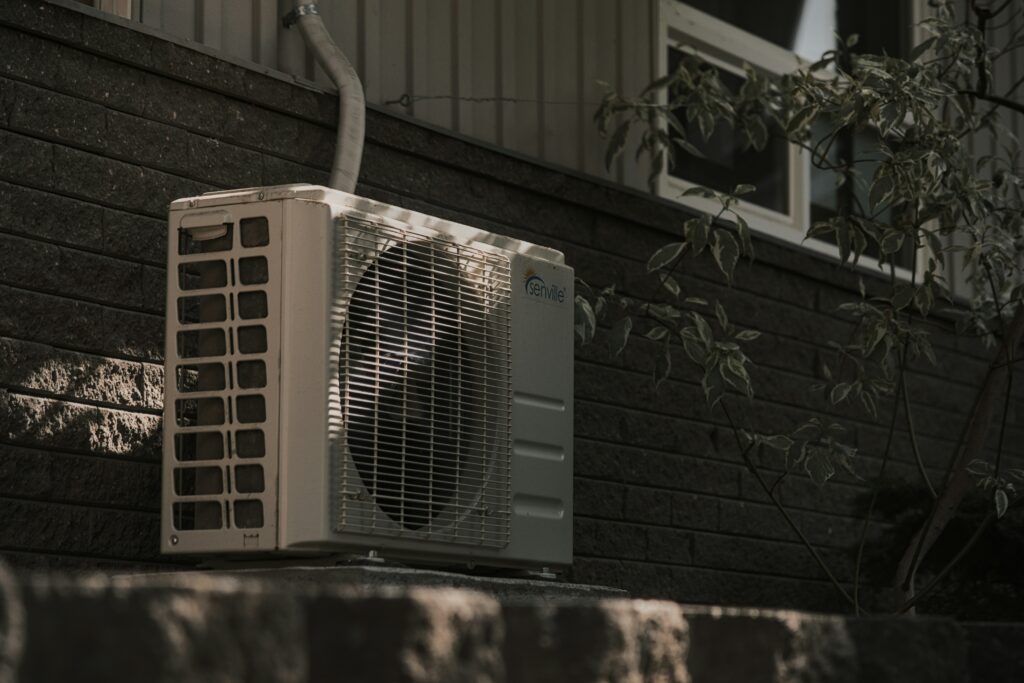
Many electronics continue drawing power even when turned off. Phone chargers, gaming consoles, coffee makers, and televisions all contribute to “phantom” energy use. Unplug them or use a smart power strip.

5. Switch to LED Light Bulbs

LED bulbs use up to 75% less energy than traditional incandescent bulbs and last significantly longer. Replacing frequently used bulbs is one of the quickest ways to reduce electricity consumption.

6. Turn Off Lights

It sounds simple, but leaving lights on in empty rooms wastes energy. Make it a habit to switch them off whenever you leave a room, even if you’ll only be gone for a few minutes.

7. Wash Clothes in Cold Water

Most modern laundry detergents work extremely well in cold water. Heating water consumes a large amount of electricity, so washing with cold water can lower your energy bill while helping clothes last longer.

8. Only Run Full Loads

Whether you’re using the dishwasher or washing machine, wait until you have a full load. Running appliances half full uses nearly the same amount of electricity and water as running them full.

9. Air Dry Laundry

Whenever possible, skip the dryer and hang clothes outside or on indoor drying racks. Clothes dryers are among the highest energy-consuming appliances in most homes.

10. Clean Your Dryer Vent

If you do use the dryer, clean the lint trap after every load and inspect the dryer vent regularly. Better airflow allows your dryer to work more efficiently.

11. Seal Air Leaks

Small gaps around windows, doors, and electrical outlets allow conditioned air to escape. Weatherstripping and caulk are inexpensive solutions that can improve energy efficiency throughout your home.

12. Close Curtains During Hot Days

Sunlight streaming through windows increases indoor temperatures. Closing blinds or curtains during the hottest part of the day reduces heat gain and eases the workload on your air conditioner.

13. Open Curtains During Winter

During colder months, take advantage of free solar heating by opening south-facing curtains during sunny days, then close them at night to help retain warmth.

14. Lower Your Water Heater Temperature

Many water heaters are set higher than necessary. Lowering the temperature to around 120°F provides plenty of hot water while reducing electricity usage and improving safety.

15. Take Shorter Showers

Hot water requires energy to produce. Cutting just a few minutes off each shower can reduce both your water and electricity bills over time.

16. Cook Smarter

Using the microwave, slow cooker, air fryer, or toaster oven often consumes less electricity than heating a full-sized oven. These appliances also generate less heat, helping your air conditioner work less during summer.

17. Keep Refrigerator Coils Clean

Dust-covered condenser coils force your refrigerator to work harder. Vacuum or brush the coils every six months to improve efficiency.

18. Check Refrigerator Temperature

Your refrigerator should be set between 35°F and 38°F, while your freezer should be around 0°F. Setting temperatures colder than necessary wastes electricity.

19. Avoid Leaving Refrigerator Doors Open

Every time you leave the refrigerator open, cold air escapes and the compressor has to work harder to restore the proper temperature.

20. Use Natural Ventilation

When outdoor temperatures are comfortable, open windows instead of running the air conditioner. Fresh air can keep your home comfortable without using electricity.

21. Install a Programmable Thermostat

Programmable and smart thermostats automatically adjust temperatures when you’re asleep or away from home, helping reduce unnecessary energy use without sacrificing comfort.

22. Use Smart Power Strips

Instead of unplugging multiple electronics individually, smart power strips automatically cut power to devices that aren’t being used, eliminating standby electricity consumption.

23. Maintain Your HVAC System

Schedule regular maintenance to ensure your heating and cooling equipment operates efficiently. A well-maintained system uses less electricity and often lasts longer.

24. Upgrade to Energy-Efficient Appliances

If you’re replacing an old appliance, choose an ENERGY STAR® certified model. Although the upfront cost may be higher, the long-term energy savings can be substantial.

25. Monitor Your Electricity Usage

Many utility companies now provide online dashboards or mobile apps that let you monitor daily energy use. Tracking your usage can help you identify patterns, discover unexpected spikes, and make informed changes that lower future bills.

Small Changes Can Lead to Big Savings

You don’t have to implement every tip at once to see results. Even adopting five or ten of these habits can lead to noticeable savings over the course of a month. Over the span of a year, those small improvements can add up to hundreds of dollars in reduced electricity costs.

The best approach is to start with the easiest, lowest-cost changes first. Replace a few light bulbs with LEDs, adjust your thermostat, unplug unused electronics, and seal obvious air leaks. As your budget allows, consider larger upgrades like installing a smart thermostat or replacing older appliances with more efficient models.

Reducing your electric bill isn’t just about saving money—it also helps reduce energy consumption and supports a more sustainable lifestyle. With a little attention to your daily habits, you can enjoy a more comfortable home while keeping your monthly utility costs under control.

Making energy efficiency a regular part of your routine means you’ll continue to benefit month after month. The savings may seem small at first, but together these simple changes can have a significant impact on both your wallet and your home’s overall energy performance.
How to Cut Your Water Bill Without Sacrificing Comfort

Posted on July 17, 2026July 17, 2026 By cheape67 No Comments on How to Cut Your Water Bill Without Sacrificing Comfort
Blog

For many households, water is one of those monthly expenses that quietly adds up over time. While it may not receive as much attention as electricity or internet bills, even small increases in water usage can lead to noticeably higher monthly utility costs. The good news is that you don’t have to take cold showers, stop watering your garden entirely, or dramatically change your lifestyle to save money.

By making a few smart adjustments around your home, you can lower your water bill while still enjoying the comfort and convenience you’re used to. Here are practical, easy-to-implement strategies that can help reduce water consumption without making daily life feel like a sacrifice.

Start by Finding Hidden Leaks

One of the biggest causes of high water bills is also one of the easiest to overlook: leaks. A dripping faucet may seem harmless, but even a slow drip can waste hundreds or even thousands of gallons of water each year. Running toilets are another common culprit, often wasting water continuously without making much noise.

Take a few minutes to inspect faucets, showerheads, toilets, outdoor spigots, and exposed plumbing. If your water meter continues moving when no water is being used inside or outside your home, you may have a hidden leak that should be repaired.

Fixing leaks is often the quickest way to lower your water bill.

Install Low-Flow Fixtures

Today’s water-efficient fixtures are far more effective than older models. Modern low-flow showerheads, bathroom faucets, and kitchen faucet aerators provide strong water pressure while using significantly less water.

Many homeowners are surprised that they can’t even tell the difference after making the switch. Installation is usually inexpensive and often takes only a few minutes.

Take Slightly Shorter Showers

You don’t have to give up relaxing showers completely. Simply reducing your shower by two or three minutes each day can save hundreds of gallons of water over the course of a month.

If multiple people live in your home, those small reductions add up quickly.

Turn Off the Tap When You Don’t Need It

It’s easy to leave the water running while brushing your teeth, washing your face, shaving, or scrubbing dishes. Turning the faucet off during those moments can save several gallons of water every day with almost no effort.

These small habits become second nature after only a short time.

Upgrade Older Toilets

Older toilets can use three to five gallons of water—or even more—with every flush. Modern high-efficiency toilets often use less than half that amount while maintaining excellent flushing performance.

If replacing your toilet isn’t in your budget yet, placing a toilet displacement bag or a filled water bottle inside the tank can reduce the amount of water used with each flush on some older models.

Only Run Full Loads

Your dishwasher and washing machine use nearly the same amount of water whether they’re completely full or only partially loaded.

Waiting until you have a full load helps maximize efficiency while reducing the number of cycles you run each week.

Choose Water-Efficient Appliances

If you’re shopping for a new washing machine or dishwasher, look for ENERGY STAR® certified models. Many newer appliances are designed to clean just as effectively while using substantially less water and energy.

Although purchasing a new appliance is a larger investment, the savings over its lifespan can be significant.

Water Your Lawn Wisely

Outdoor watering is often one of the largest contributors to high water bills, especially during warmer months.

Water your lawn and landscaping early in the morning or later in the evening when temperatures are cooler. This reduces evaporation and allows more moisture to soak into the soil where your plants actually need it.

Avoid watering during the hottest part of the afternoon whenever possible.

Use Mulch Around Plants

Adding mulch around flowers, shrubs, and garden plants helps retain moisture in the soil for longer periods.

As a result, you’ll need to water less frequently while also helping suppress weeds and regulate soil temperature.

Collect Rainwater

If local regulations allow it, rain barrels are an excellent way to collect water for gardens, flower beds, and outdoor plants.

Using rainwater instead of treated municipal water for landscaping can reduce your monthly water usage without affecting your household comfort.

Sweep Instead of Using a Hose

When cleaning driveways, sidewalks, patios, or garage floors, grab a broom instead of spraying everything down with the garden hose.

You’ll often finish faster while saving dozens of gallons of water.

Wash Cars More Efficiently

Instead of letting the hose run continuously while washing your vehicle, use a bucket filled with soapy water and rinse only when necessary.

Even better, use a hose equipped with a shut-off nozzle so water flows only when you’re actively spraying.

Water Plants Efficiently

Rather than watering a little every day, give plants a deeper watering less often. This encourages stronger root systems and often reduces the total amount of water needed over time.

Drip irrigation systems can also deliver water directly to plant roots with minimal waste.

Keep an Eye on Your Water Heater

While reducing hot water use primarily lowers your energy bill, it can also encourage more efficient water use overall.

Insulating hot water pipes helps hot water reach faucets faster, reducing the amount of water that goes down the drain while you wait for it to warm up.

Reuse Water When Possible

Certain household water can safely be reused for other purposes. For example, leftover drinking water can be poured onto outdoor plants instead of dumped down the sink.

Similarly, water used to rinse fruits and vegetables can often be collected and reused for gardens.

Don’t Thaw Food Under Running Water

Planning ahead by thawing frozen food in the refrigerator uses no additional water at all.

If you need to thaw food quickly, placing it in a bowl of cold water and changing the water periodically is still more efficient than leaving the faucet running continuously.

Watch for Seasonal Usage Spikes

Many families naturally use more water during summer months due to gardening, filling pools, extra laundry, or children being home from school.

Review your water bill each month to identify seasonal increases and determine where adjustments can be made before costs get out of control.

Educate the Whole Family

Saving water works best when everyone participates.

Teach children simple habits like turning off faucets, reporting leaks, and using only the water they actually need. Small actions performed consistently by every family member create meaningful savings over time.

Check Your Utility Company’s Programs

Some water providers offer rebates for installing water-efficient toilets, irrigation controllers, washing machines, or other conservation equipment.

Taking advantage of these programs can lower both your upgrade costs and your monthly utility bills.

Monitor Your Monthly Usage

Most utility companies now provide online customer portals that display your monthly water consumption.

Reviewing your usage regularly helps you spot unusual increases quickly. A sudden jump may indicate a hidden leak or a problem that can be addressed before it becomes expensive.

Comfort and Savings Can Go Together

Many people assume that reducing water usage means giving up comfort, but that simply isn’t true. Modern water-saving fixtures, efficient appliances, and better daily habits allow households to use less water while maintaining the same quality of life.

The key is focusing on efficiency instead of restriction. Fixing leaks, installing low-flow fixtures, running full loads of laundry, watering your lawn more effectively, and paying attention to everyday habits can significantly reduce your monthly water bill without making your home less comfortable.

Start by choosing just a few of these tips this month. Once those habits become routine, add another one or two. Over the course of a year, the combined savings can be substantial—not only for your wallet but also for conserving one of our most valuable natural resources.

Every gallon saved is money that stays in your pocket. With a little planning and a few simple changes, you can enjoy the same comfort at home while keeping your water bill lower month after month.

Best Energy-Efficient Home Improvements

Posted on July 17, 2026July 17, 2026 By cheape67 No Comments on Best Energy-Efficient Home Improvements
Blog

If your monthly utility bills seem to increase every year, you’re not imagining it. Rising energy costs, aging appliances, and inefficient homes can all contribute to higher electricity bills. The good news is that making smart, energy-efficient home improvements can reduce your energy usage, lower your monthly expenses, and even increase your home’s value.

While some upgrades require a larger investment, many pay for themselves over time through reduced utility bills. Others are inexpensive weekend projects that start saving money immediately.

Here are some of the best energy-efficient home improvements to consider if you want to create a more comfortable, cost-effective home.

Upgrade to a Smart Thermostat

One of the easiest ways to reduce energy usage is by installing a smart thermostat. Unlike traditional thermostats, smart models automatically adjust your home’s temperature based on your schedule and preferences.

For example, they can lower heating or cooling while you’re at work and return your home to a comfortable temperature before you arrive. Many models also allow you to control your home’s temperature remotely using a smartphone app.

Even a few degrees of adjustment each day can significantly reduce heating and cooling costs over the course of a year.

Improve Your Home’s Insulation

Heating and cooling account for one of the largest portions of most household energy bills. If your home lacks proper insulation, your HVAC system has to work much harder to maintain comfortable indoor temperatures.

Adding insulation to your attic is often one of the most cost-effective improvements you can make. Depending on your home’s age, you may also benefit from improving insulation in exterior walls, crawl spaces, or basements.

Better insulation keeps cool air inside during summer and warm air inside during winter, reducing the amount of energy needed to keep your home comfortable.

Seal Air Leaks

Even a well-insulated home can lose energy through small cracks and gaps around windows, doors, electrical outlets, plumbing penetrations, and attic openings.

Weatherstripping around doors and caulking around windows are inexpensive projects that can make a noticeable difference. Sealing air leaks prevents conditioned air from escaping and keeps outdoor temperatures from entering your home.

These simple improvements often produce immediate energy savings.

Replace Old Windows

Older single-pane windows allow significant heat transfer, making it difficult for your heating and cooling system to maintain consistent temperatures.

Modern double-pane or triple-pane energy-efficient windows provide better insulation and often include coatings that reduce solar heat gain while still allowing natural light inside.

Although replacing windows requires a larger upfront investment, homeowners often enjoy improved comfort, lower utility bills, and increased home value.

Upgrade Exterior Doors

Drafty exterior doors can also contribute to energy loss. Replacing old doors with insulated, energy-efficient models helps reduce drafts while improving your home’s appearance and security.

If replacement isn’t necessary, installing new weatherstripping and replacing worn door sweeps can provide noticeable improvements at a much lower cost.

Install Energy-Efficient Lighting

Switching from incandescent bulbs to LED lighting remains one of the simplest and most affordable energy-saving upgrades available.

LED bulbs use significantly less electricity, produce less heat, and last much longer than traditional bulbs. Because they rarely need replacing, they also reduce maintenance costs over time.

Replacing the bulbs in frequently used areas such as kitchens, living rooms, and outdoor lighting can quickly lower electricity consumption.

Upgrade Your HVAC System

If your heating and cooling equipment is more than 10 to 15 years old, it may be operating far less efficiently than newer models.

Modern high-efficiency heat pumps and air conditioning systems use advanced technology that delivers the same comfort while consuming considerably less electricity.

While replacing an HVAC system is one of the larger home improvement projects, it often provides one of the greatest long-term energy savings.

Install Ceiling Fans

Ceiling fans don’t actually lower room temperature, but they make people feel cooler by improving air circulation.

During summer, fans create a wind-chill effect that allows you to raise your thermostat several degrees without sacrificing comfort. In winter, reversing the fan’s direction helps circulate warm air that naturally rises toward the ceiling.

Using ceiling fans correctly can reduce the workload on your HVAC system throughout the year.

Upgrade to ENERGY STAR® Appliances

Older appliances often consume much more electricity than newer, energy-efficient models.

If you’re replacing a refrigerator, dishwasher, washing machine, dryer, or freezer, choosing an ENERGY STAR certified model can significantly reduce both electricity and water usage.

Although newer appliances may cost more initially, lower operating costs often make them worthwhile over their lifespan.

Install a Heat Pump Water Heater

Traditional electric water heaters continuously maintain hot water, even when it isn’t needed. Heat pump water heaters use advanced technology to move heat instead of generating it directly, making them much more energy efficient.

For households with high hot water usage, this upgrade can produce substantial annual savings.

Upgrade Your Water Heater Insulation

If replacing your water heater isn’t practical, insulating the existing tank and exposed hot water pipes helps reduce heat loss.

Hot water reaches faucets more quickly, and the heater cycles less often, reducing energy consumption.

Add Solar Panels

For homeowners planning to stay in their homes for many years, solar panels can dramatically reduce electricity bills.

Depending on your location, available sunlight, local utility rates, and incentive programs, rooftop solar systems may generate enough electricity to offset a significant portion of your monthly energy usage.

Although installation costs remain relatively high, federal and state incentives may help reduce the initial investment.

Install Solar-Powered Outdoor Lighting

Outdoor walkways, gardens, patios, and driveways can all benefit from solar-powered lighting.

These lights charge during the day and automatically illuminate at night without increasing your electricity bill.

Installation is simple because no wiring is required.

Upgrade Your Roof

If your roof is nearing the end of its lifespan, consider installing reflective roofing materials designed to reduce heat absorption.

Cool roofs reflect more sunlight and absorb less heat, helping reduce attic temperatures and lowering cooling costs during hot summer months.

Replace Old Blinds and Curtains

Window coverings do more than provide privacy.

Insulated curtains, cellular shades, and thermal blinds help reduce heat transfer through windows. During summer, they block unwanted solar heat, while during winter they help retain indoor warmth.

This inexpensive improvement can noticeably improve indoor comfort.

Install Smart Power Strips

Many electronics continue consuming electricity even when turned off.

Smart power strips automatically cut power to devices that enter standby mode, eliminating unnecessary “phantom” energy usage from televisions, gaming consoles, computers, and entertainment systems.

Upgrade Your Attic Ventilation

Proper attic ventilation helps regulate temperatures year-round.

During summer, attic ventilation removes trapped heat before it spreads into your living space. During winter, it helps reduce moisture buildup that can damage insulation and roofing materials.

Combined with proper insulation, good ventilation creates a more energy-efficient home.

Plant Shade Trees

Landscaping can also contribute to lower energy bills.

Planting deciduous trees near south- and west-facing windows provides shade during hot summer months while allowing warming sunlight to reach your home after leaves fall in winter.

Over time, mature trees can noticeably reduce cooling costs.

Use Smart Home Technology

Smart lighting systems, occupancy sensors, automated blinds, and energy monitoring devices help homeowners better manage electricity usage.

These technologies make it easier to reduce waste without constantly thinking about turning lights or appliances off manually.

Maintain What You Already Have

Not every energy-efficient improvement involves buying something new.

Regular maintenance can keep existing equipment running efficiently. Replace HVAC filters every one to three months, clean refrigerator condenser coils, inspect weatherstripping annually, service your heating and cooling system, and keep dryer vents free of lint.

These simple maintenance tasks help equipment operate more efficiently while extending its lifespan.

Invest in Comfort That Pays You Back

Energy-efficient home improvements are about more than lowering utility bills—they also improve comfort, reduce environmental impact, and increase property value.

The best strategy is to begin with inexpensive projects that provide immediate savings, such as sealing air leaks, switching to LED lighting, installing smart power strips, and upgrading your thermostat. As your budget allows, you can move on to larger investments like improved insulation, high-efficiency HVAC equipment, new windows, or solar panels.

Every improvement builds on the last. Together, these upgrades create a home that stays more comfortable year-round while using less energy to do so.

Whether you’re planning a major renovation or simply looking for small weekend projects, investing in energy efficiency is one of the smartest decisions you can make for your home. Over time, the savings on your monthly utility bills can more than justify the cost of many of these improvements, making them a win for both your wallet and your home’s long-term value.

Calendar

July 2026
M T W T F S S
 12345
6789101112
13141516171819
20212223242526
2728293031  
     

Advertisement

Recent Posts

  • 25 Easy Ways to Lower Your Electric Bill This Month
  • How to Cut Your Water Bill Without Sacrificing Comfort
  • Best Energy-Efficient Home Improvements
https://www.youtube.com/watch?v=ZNFdPwSafMg

Pages

  • Contact Us
  • Monthly Newsletter
  • Privacy Policy
  • Terms of Use

Powered by
►
Necessary cookies enable essential site features like secure log-ins and consent preference adjustments. They do not store personal data.
None
►
Functional cookies support features like content sharing on social media, collecting feedback, and enabling third-party tools.
None
►
Analytical cookies track visitor interactions, providing insights on metrics like visitor count, bounce rate, and traffic sources.
None
►
Advertisement cookies deliver personalized ads based on your previous visits and analyze the effectiveness of ad campaigns.
None
►
Unclassified cookies are cookies that we are in the process of classifying, together with the providers of individual cookies.
None
Powered by