
If your electric bill has been climbing lately, you’re not alone. Rising energy costs, hotter summers, colder winters, and increased use of electronics can all add up to higher monthly utility expenses. The good news is that lowering your electric bill doesn’t always require expensive upgrades or major lifestyle changes. In many cases, small adjustments to your daily routine can make a noticeable difference.
Whether you’re a homeowner or renter, these 25 practical tips can help you reduce energy usage and keep more money in your pocket this month.
1. Adjust Your Thermostat
Heating and cooling typically account for the largest portion of your electricity bill. During warmer months, set your thermostat a few degrees higher when you’re home and even higher when you’re away. In cooler months, lower it a few degrees and wear an extra layer indoors.
2. Use Ceiling Fans Correctly
Ceiling fans don’t cool the air—they cool people. Turn fans off when you leave the room. In the summer, fans should rotate counterclockwise to create a cooling breeze. During winter, switch them to clockwise at a low speed to circulate warm air.
3. Replace Air Filters
A dirty HVAC filter forces your heating and cooling system to work harder, using more electricity. Replace or clean your filter every one to three months depending on usage and the manufacturer’s recommendations.
4. Unplug Devices You’re Not Using
Many electronics continue drawing power even when turned off. Phone chargers, gaming consoles, coffee makers, and televisions all contribute to “phantom” energy use. Unplug them or use a smart power strip.
5. Switch to LED Light Bulbs
LED bulbs use up to 75% less energy than traditional incandescent bulbs and last significantly longer. Replacing frequently used bulbs is one of the quickest ways to reduce electricity consumption.
6. Turn Off Lights
It sounds simple, but leaving lights on in empty rooms wastes energy. Make it a habit to switch them off whenever you leave a room, even if you’ll only be gone for a few minutes.
7. Wash Clothes in Cold Water
Most modern laundry detergents work extremely well in cold water. Heating water consumes a large amount of electricity, so washing with cold water can lower your energy bill while helping clothes last longer.
8. Only Run Full Loads
Whether you’re using the dishwasher or washing machine, wait until you have a full load. Running appliances half full uses nearly the same amount of electricity and water as running them full.
9. Air Dry Laundry
Whenever possible, skip the dryer and hang clothes outside or on indoor drying racks. Clothes dryers are among the highest energy-consuming appliances in most homes.
10. Clean Your Dryer Vent
If you do use the dryer, clean the lint trap after every load and inspect the dryer vent regularly. Better airflow allows your dryer to work more efficiently.
11. Seal Air Leaks
Small gaps around windows, doors, and electrical outlets allow conditioned air to escape. Weatherstripping and caulk are inexpensive solutions that can improve energy efficiency throughout your home.
12. Close Curtains During Hot Days
Sunlight streaming through windows increases indoor temperatures. Closing blinds or curtains during the hottest part of the day reduces heat gain and eases the workload on your air conditioner.
13. Open Curtains During Winter
During colder months, take advantage of free solar heating by opening south-facing curtains during sunny days, then close them at night to help retain warmth.
14. Lower Your Water Heater Temperature
Many water heaters are set higher than necessary. Lowering the temperature to around 120°F provides plenty of hot water while reducing electricity usage and improving safety.
15. Take Shorter Showers
Hot water requires energy to produce. Cutting just a few minutes off each shower can reduce both your water and electricity bills over time.
16. Cook Smarter
Using the microwave, slow cooker, air fryer, or toaster oven often consumes less electricity than heating a full-sized oven. These appliances also generate less heat, helping your air conditioner work less during summer.
17. Keep Refrigerator Coils Clean
Dust-covered condenser coils force your refrigerator to work harder. Vacuum or brush the coils every six months to improve efficiency.
18. Check Refrigerator Temperature
Your refrigerator should be set between 35°F and 38°F, while your freezer should be around 0°F. Setting temperatures colder than necessary wastes electricity.
19. Avoid Leaving Refrigerator Doors Open
Every time you leave the refrigerator open, cold air escapes and the compressor has to work harder to restore the proper temperature.
20. Use Natural Ventilation
When outdoor temperatures are comfortable, open windows instead of running the air conditioner. Fresh air can keep your home comfortable without using electricity.
21. Install a Programmable Thermostat
Programmable and smart thermostats automatically adjust temperatures when you’re asleep or away from home, helping reduce unnecessary energy use without sacrificing comfort.
22. Use Smart Power Strips
Instead of unplugging multiple electronics individually, smart power strips automatically cut power to devices that aren’t being used, eliminating standby electricity consumption.
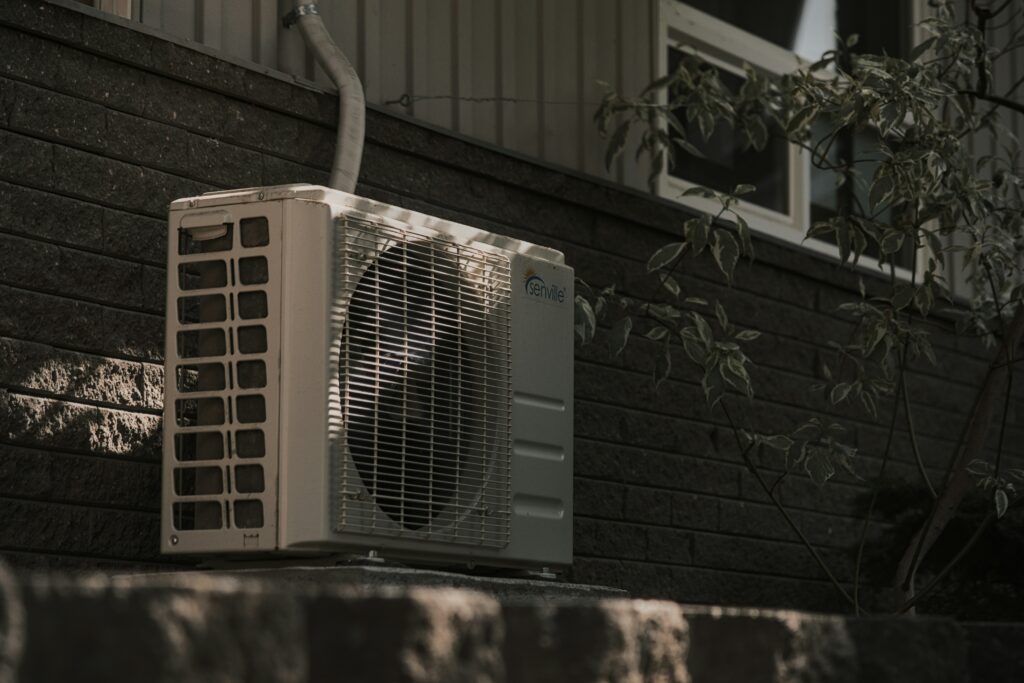
23. Maintain Your HVAC System
Schedule regular maintenance to ensure your heating and cooling equipment operates efficiently. A well-maintained system uses less electricity and often lasts longer.
24. Upgrade to Energy-Efficient Appliances
If you’re replacing an old appliance, choose an ENERGY STAR® certified model. Although the upfront cost may be higher, the long-term energy savings can be substantial.
25. Monitor Your Electricity Usage
Many utility companies now provide online dashboards or mobile apps that let you monitor daily energy use. Tracking your usage can help you identify patterns, discover unexpected spikes, and make informed changes that lower future bills.
Small Changes Can Lead to Big Savings
You don’t have to implement every tip at once to see results. Even adopting five or ten of these habits can lead to noticeable savings over the course of a month. Over the span of a year, those small improvements can add up to hundreds of dollars in reduced electricity costs.
The best approach is to start with the easiest, lowest-cost changes first. Replace a few light bulbs with LEDs, adjust your thermostat, unplug unused electronics, and seal obvious air leaks. As your budget allows, consider larger upgrades like installing a smart thermostat or replacing older appliances with more efficient models.
Reducing your electric bill isn’t just about saving money—it also helps reduce energy consumption and supports a more sustainable lifestyle. With a little attention to your daily habits, you can enjoy a more comfortable home while keeping your monthly utility costs under control.
Making energy efficiency a regular part of your routine means you’ll continue to benefit month after month. The savings may seem small at first, but together these simple changes can have a significant impact on both your wallet and your home’s overall energy performance.