
If your monthly utility bills seem to increase every year, you’re not imagining it. Rising energy costs, aging appliances, and inefficient homes can all contribute to higher electricity bills. The good news is that making smart, energy-efficient home improvements can reduce your energy usage, lower your monthly expenses, and even increase your home’s value.
While some upgrades require a larger investment, many pay for themselves over time through reduced utility bills. Others are inexpensive weekend projects that start saving money immediately.
Here are some of the best energy-efficient home improvements to consider if you want to create a more comfortable, cost-effective home.
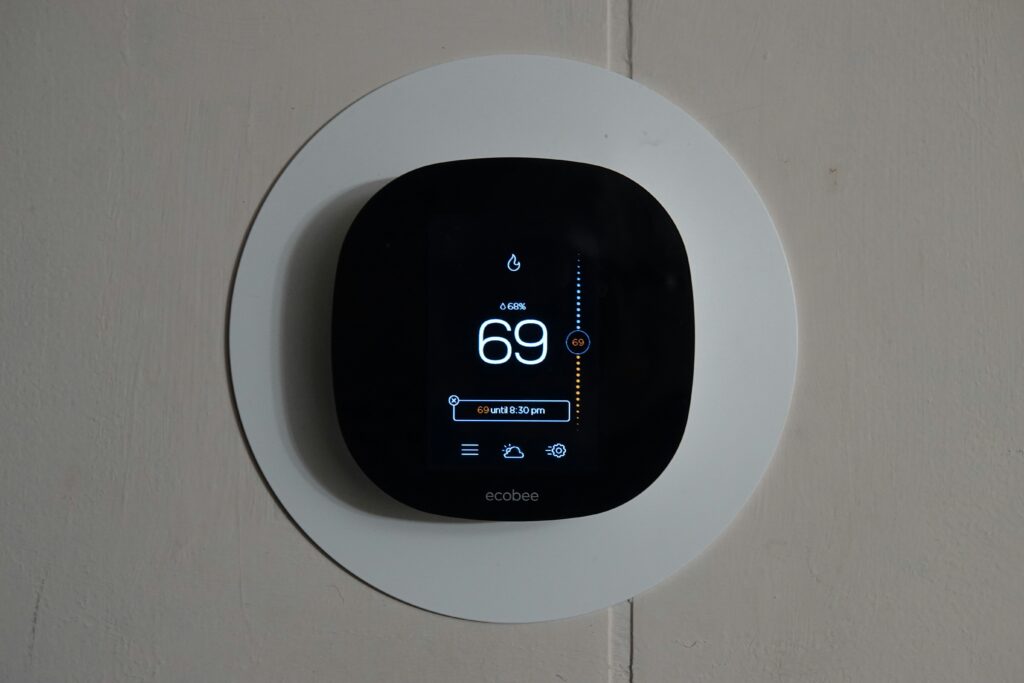
Upgrade to a Smart Thermostat
One of the easiest ways to reduce energy usage is by installing a smart thermostat. Unlike traditional thermostats, smart models automatically adjust your home’s temperature based on your schedule and preferences.
For example, they can lower heating or cooling while you’re at work and return your home to a comfortable temperature before you arrive. Many models also allow you to control your home’s temperature remotely using a smartphone app.
Even a few degrees of adjustment each day can significantly reduce heating and cooling costs over the course of a year.
Improve Your Home’s Insulation
Heating and cooling account for one of the largest portions of most household energy bills. If your home lacks proper insulation, your HVAC system has to work much harder to maintain comfortable indoor temperatures.
Adding insulation to your attic is often one of the most cost-effective improvements you can make. Depending on your home’s age, you may also benefit from improving insulation in exterior walls, crawl spaces, or basements.
Better insulation keeps cool air inside during summer and warm air inside during winter, reducing the amount of energy needed to keep your home comfortable.
Seal Air Leaks
Even a well-insulated home can lose energy through small cracks and gaps around windows, doors, electrical outlets, plumbing penetrations, and attic openings.
Weatherstripping around doors and caulking around windows are inexpensive projects that can make a noticeable difference. Sealing air leaks prevents conditioned air from escaping and keeps outdoor temperatures from entering your home.
These simple improvements often produce immediate energy savings.
Replace Old Windows
Older single-pane windows allow significant heat transfer, making it difficult for your heating and cooling system to maintain consistent temperatures.
Modern double-pane or triple-pane energy-efficient windows provide better insulation and often include coatings that reduce solar heat gain while still allowing natural light inside.
Although replacing windows requires a larger upfront investment, homeowners often enjoy improved comfort, lower utility bills, and increased home value.
Upgrade Exterior Doors
Drafty exterior doors can also contribute to energy loss. Replacing old doors with insulated, energy-efficient models helps reduce drafts while improving your home’s appearance and security.
If replacement isn’t necessary, installing new weatherstripping and replacing worn door sweeps can provide noticeable improvements at a much lower cost.
Install Energy-Efficient Lighting
Switching from incandescent bulbs to LED lighting remains one of the simplest and most affordable energy-saving upgrades available.
LED bulbs use significantly less electricity, produce less heat, and last much longer than traditional bulbs. Because they rarely need replacing, they also reduce maintenance costs over time.
Replacing the bulbs in frequently used areas such as kitchens, living rooms, and outdoor lighting can quickly lower electricity consumption.
Upgrade Your HVAC System
If your heating and cooling equipment is more than 10 to 15 years old, it may be operating far less efficiently than newer models.
Modern high-efficiency heat pumps and air conditioning systems use advanced technology that delivers the same comfort while consuming considerably less electricity.
While replacing an HVAC system is one of the larger home improvement projects, it often provides one of the greatest long-term energy savings.
Install Ceiling Fans
Ceiling fans don’t actually lower room temperature, but they make people feel cooler by improving air circulation.
During summer, fans create a wind-chill effect that allows you to raise your thermostat several degrees without sacrificing comfort. In winter, reversing the fan’s direction helps circulate warm air that naturally rises toward the ceiling.
Using ceiling fans correctly can reduce the workload on your HVAC system throughout the year.
Upgrade to ENERGY STAR® Appliances
Older appliances often consume much more electricity than newer, energy-efficient models.
If you’re replacing a refrigerator, dishwasher, washing machine, dryer, or freezer, choosing an ENERGY STAR certified model can significantly reduce both electricity and water usage.
Although newer appliances may cost more initially, lower operating costs often make them worthwhile over their lifespan.
Install a Heat Pump Water Heater
Traditional electric water heaters continuously maintain hot water, even when it isn’t needed. Heat pump water heaters use advanced technology to move heat instead of generating it directly, making them much more energy efficient.
For households with high hot water usage, this upgrade can produce substantial annual savings.
Upgrade Your Water Heater Insulation
If replacing your water heater isn’t practical, insulating the existing tank and exposed hot water pipes helps reduce heat loss.
Hot water reaches faucets more quickly, and the heater cycles less often, reducing energy consumption.
Add Solar Panels
For homeowners planning to stay in their homes for many years, solar panels can dramatically reduce electricity bills.
Depending on your location, available sunlight, local utility rates, and incentive programs, rooftop solar systems may generate enough electricity to offset a significant portion of your monthly energy usage.
Although installation costs remain relatively high, federal and state incentives may help reduce the initial investment.
Install Solar-Powered Outdoor Lighting
Outdoor walkways, gardens, patios, and driveways can all benefit from solar-powered lighting.
These lights charge during the day and automatically illuminate at night without increasing your electricity bill.
Installation is simple because no wiring is required.
Upgrade Your Roof
If your roof is nearing the end of its lifespan, consider installing reflective roofing materials designed to reduce heat absorption.
Cool roofs reflect more sunlight and absorb less heat, helping reduce attic temperatures and lowering cooling costs during hot summer months.
Replace Old Blinds and Curtains
Window coverings do more than provide privacy.
Insulated curtains, cellular shades, and thermal blinds help reduce heat transfer through windows. During summer, they block unwanted solar heat, while during winter they help retain indoor warmth.
This inexpensive improvement can noticeably improve indoor comfort.
Install Smart Power Strips
Many electronics continue consuming electricity even when turned off.
Smart power strips automatically cut power to devices that enter standby mode, eliminating unnecessary “phantom” energy usage from televisions, gaming consoles, computers, and entertainment systems.
Upgrade Your Attic Ventilation
Proper attic ventilation helps regulate temperatures year-round.
During summer, attic ventilation removes trapped heat before it spreads into your living space. During winter, it helps reduce moisture buildup that can damage insulation and roofing materials.
Combined with proper insulation, good ventilation creates a more energy-efficient home.
Plant Shade Trees
Landscaping can also contribute to lower energy bills.
Planting deciduous trees near south- and west-facing windows provides shade during hot summer months while allowing warming sunlight to reach your home after leaves fall in winter.
Over time, mature trees can noticeably reduce cooling costs.
Use Smart Home Technology
Smart lighting systems, occupancy sensors, automated blinds, and energy monitoring devices help homeowners better manage electricity usage.
These technologies make it easier to reduce waste without constantly thinking about turning lights or appliances off manually.
Maintain What You Already Have
Not every energy-efficient improvement involves buying something new.
Regular maintenance can keep existing equipment running efficiently. Replace HVAC filters every one to three months, clean refrigerator condenser coils, inspect weatherstripping annually, service your heating and cooling system, and keep dryer vents free of lint.
These simple maintenance tasks help equipment operate more efficiently while extending its lifespan.
Invest in Comfort That Pays You Back
Energy-efficient home improvements are about more than lowering utility bills—they also improve comfort, reduce environmental impact, and increase property value.
The best strategy is to begin with inexpensive projects that provide immediate savings, such as sealing air leaks, switching to LED lighting, installing smart power strips, and upgrading your thermostat. As your budget allows, you can move on to larger investments like improved insulation, high-efficiency HVAC equipment, new windows, or solar panels.
Every improvement builds on the last. Together, these upgrades create a home that stays more comfortable year-round while using less energy to do so.
Whether you’re planning a major renovation or simply looking for small weekend projects, investing in energy efficiency is one of the smartest decisions you can make for your home. Over time, the savings on your monthly utility bills can more than justify the cost of many of these improvements, making them a win for both your wallet and your home’s long-term value.